
The British Crown Green Bowling Association




Introduction:
Each Bowling Club who is a member of the British Crown Green Bowling Association has a responsibility to ensure all its members enjoy our game in a safe and friendly environment.
But what does that actually mean to those running our clubs? How can it be achieved and maintained?
This section roadmaps the clubs journey through the best practise of safeguarding, from the simple principles through to their practical delivery and how to maintain the culture of a safer environment within the club.
What Does a Club Need to Know?
This safeguarding roadmap is designed to help BCGBA affiliated Clubs to meet the BCGBA safeguarding requirements and to help your club be compliant, consistent and safe.
To help keep everyone safe, you need to understand what safeguarding and child protection means and how they can be applied in your Club.
a. Club Committee should make themselves aware of the general requirements via the Bowls Development Alliance ‘Introduction to Safeguarding’. It’s a good place to gain basic knowledge.
b. Identify those in your club who have the potential to work with children and vulnerable adults, such as coaches, captains, volunteers and ensure they have a more rounded safeguarding understanding.
To improve your knowledge further, and apply principles you’ve learnt specifically to bowls clubs, we’d recommend the new ‘Safeguarding Awareness Module’ by Coach Bowls.
Documentation is the key to a good Safeguarding approach.Your club must put in place the following:
a. Create or adopt club safeguarding policies – we recommend the BDA ‘Safeguarding Adults in Bowls’ & ‘Safeguarding Children in Bowls’ documents.
b. Other guidelines should be created and adopted into club rules that support safe behaviour and define membership expectation. This can be done by adopting both BCGBA Policies and other relevant safeguarding resources.
c. Make your club safeguarding policies available for all your members via your club website, your club Facebook page or noticeboard.
d. All Club Safeguarding Policies should be reviewed and updated every two years.
The full suite of BDA Safeguarding Guidelines documents can be found on the following link:
a. It is important that the club adopts a safe recruitment procedures, especially for this key role. Here’s guidance from the BDA.
b. Have a Safeguarding Officer Role defined that’s in line with BDA guidelines. It should include:
c. A Safeguarding Officer must be:
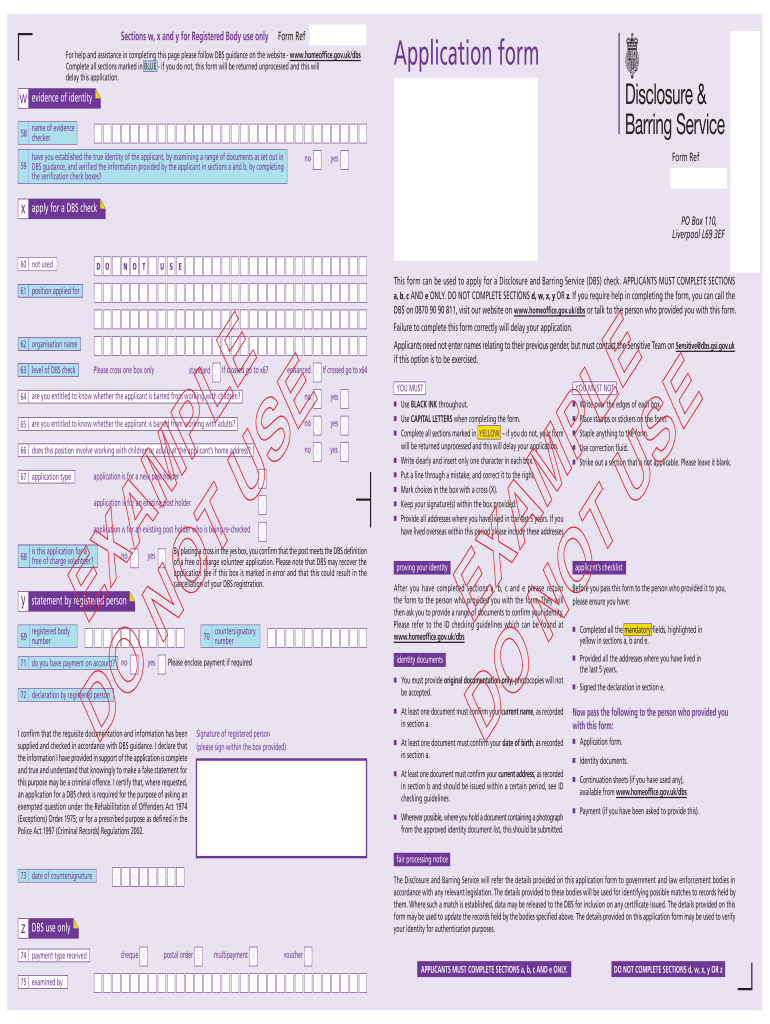
d. Register for the annual DBS update service. This negates the three year renewall on DBS Certificates.
e. Complete Safeguarding Training recognised by the BCGBA.
Outcome: Clear Leadership and accountability for safeguarding
Still unsure? If so, please contact: safeguarding@bcgba.org.uk
a. Maintain a register of Safeguarding Officers training and renewals, also ensure that your committee supports your Safeguarding Officer by making it an agenda item at meetings.
b. Ensure all club members are aware of who your Safeguarding Officers are;
c. Ensure your ‘County Safeguarding Officer’ is aware of your Safeguarding Officers and has their relevant paperwork.
Find your County Safeguarding Officer details in Regional Information.
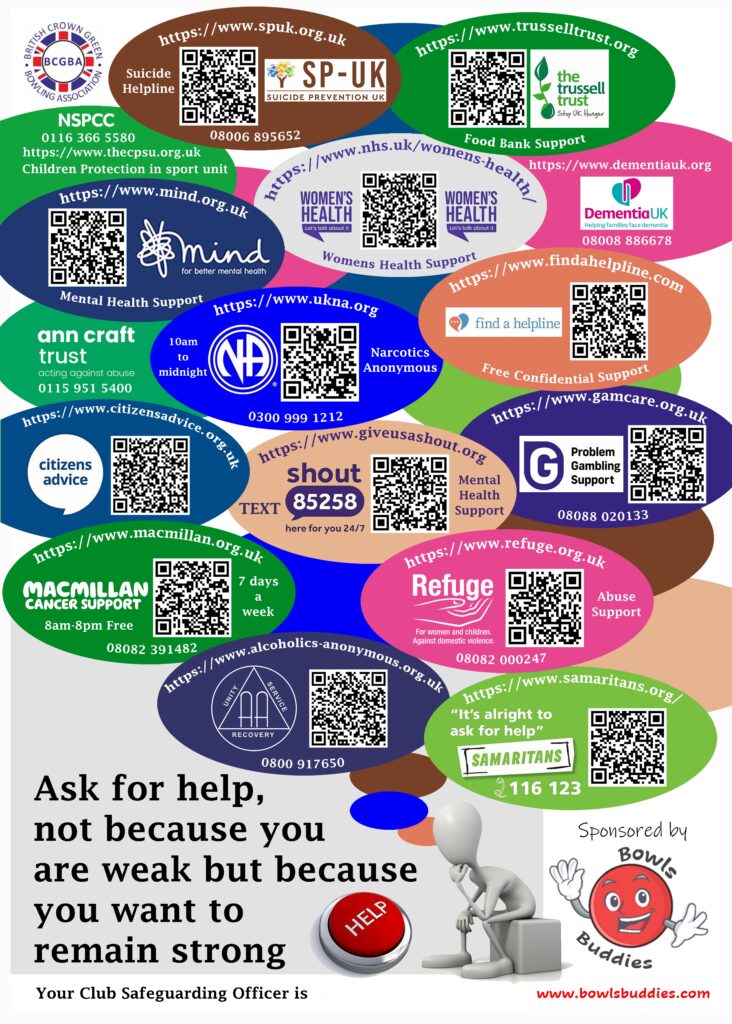
d. Display reporting guidance visibly:
Ensure that everyone is clear on who to report to internally and when to contact an external agency such as the Emergency Services or the NSPCC.
The Bowls Development Alliance have a number of useful reporting templates and forms to help your Safeguarding Officer document club activity, such as consent forms and checklists.
Safeguarding is a forever moving topic with legislation and policy changes being a regular occurrence. There are some obvious things at a club level that should be a standard process:
a. Ensure Safeguarding Officers remain trained and have their DBS certificates in place.
b. Ensure Safeguarding is part of the committees standard agenda items.
c. Encourage all committee members to keep up to date with safeguarding awareness
d. Ensure any new committee members look at and understand Principles of Safeguarding Adults and Children.
e. The Bowls Development Alliance produce a monthly Safeguarding Bulletins with the sole purpose of keeping the whole bowls community informed and up to date. These can be found via the below link.
f. Active Partnerships Sport Welfare Officer Network (SWO network) has been created to support National Governing Bodies (NGBs) and their local clubs to promote good practice and safer sport for all. The network is funded by Sport England through National Lottery funding.
Sports Welfare Officers specialise in:
Becoming a Club Safeguarding Officer is easy via the ‘Coach Bowls’ Virtual Training Program.
This new online course covers all the information that any Safeguarding Officer may need to help them fulfil this vital role in their club. It includes basic safeguarding awareness for both adults and children, along with how to make a club a safer place for everyone, roles and responsibilities and highlights help and support.
Safeguarding is everyone’s responsibility, however key roles include:
BCGBA sets national safeguarding expectations based upon those developed by the Bowls Development Alliance (BDA), but each club must implement them locally.
This important role acts as the first point of contact for concerns and is responsible for maintaining accurate and secure safeguarding records. They should ensure that all policies are up to date and relevant. They will also liaise with the County Association and BCGBA where necessary.
Abuse can take many forms, including:
Anyone regularly working closely with children or adults at risk in regulated activity should have a Disclosure and Barring Service (DBS) check.
This typically includes Junior coaches, Team managers supervising under-18s and volunteers regularly responsible for vulnerable participants.
Clubs should consult their County Association if unsure.
Clubs may take photos for Promotion, Social media. Club website & local newspapers etc.
However, parents consent should always be requested, children should not be named without permission and images must be appropriate and respectful.
A parent can refuse consent at any time.
Clubs should have clear rules on communication: